
Planet of Lana II Review: New Mechanics Elevate a Familiar Journey


Planet of Lana was a game that flew a little under the radar when it released in 2023. It’s part of a platforming adventure game subgenre that was made popular (and possibly originated) by Limbo. I’m talking about the specific type of side-scrolling gameplay that involves pushing around crates and solving other (often physics-based) puzzles to progress. They’re usually pretty narrative-light, with their stories being told through environmental clues or character interactions that feature minimal to no dialogue at all. I think the high-water mark for these games is Inside. I would love to say that Planet of Lana II: Children of the Leaf raises the bar—but it is a solid example of its genre, even if it doesn’t redefine it.
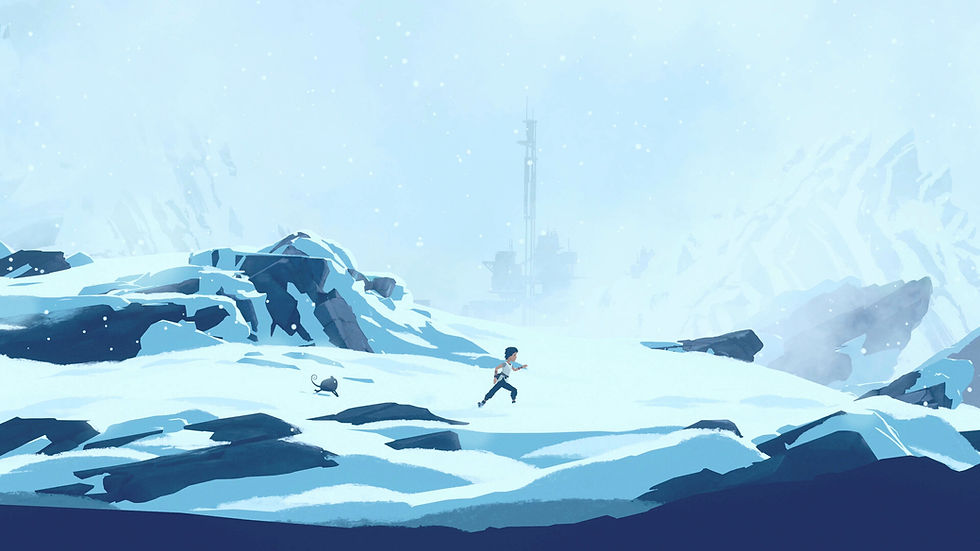
Planet of Lana II takes place several years after the first game. The immediate robot threat is gone, and the people have actually started to learn to use the leftover robots as tools to supplement their previously techno-absent lifestyles. The story starts with Lana and her younger sister exploring the ship from the first game as she tries to learn more about her people’s past. Another world-changing series of events unfolds—but this time, it's other humans using technology to strip the world of its resources. Disasters and conflict ensue, taking Lana and her cat-like companion, Mui, far beyond the familiar forests and into snowy mountain peaks, dense urban areas, and deep-sea trenches.
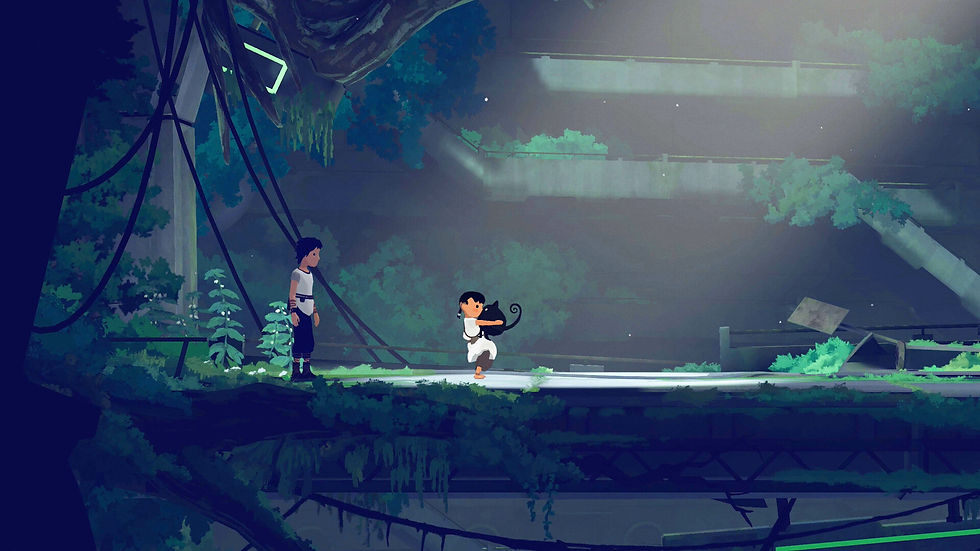
If you played the original, you’ll be familiar with the core gameplay here, but things have evolved. Lana and Mui are now fully used to robot wrangling, and Mui’s hypnotic abilities have been heavily upgraded. Instead of just directing Mui to waypoints, you can now take direct control of the local wildlife. This means the puzzles have been beefed up significantly. That doesn’t necessarily mean they’re harder, but there are far more varieties of them. Taking control of an "ink fish" to stealthily zip through narrow underwater tunnels, or guiding sticky cloud creatures to create flammable fuses, adds a ton of variety to the puzzles.
Nothing was ever overly frustrating, however. I never got stuck on a puzzle beyond my ability to get the timing just right or juggle all of the moving parts. Because despite how logically simple they can be to solve, pulling them off often requires precise timing and reflexes.
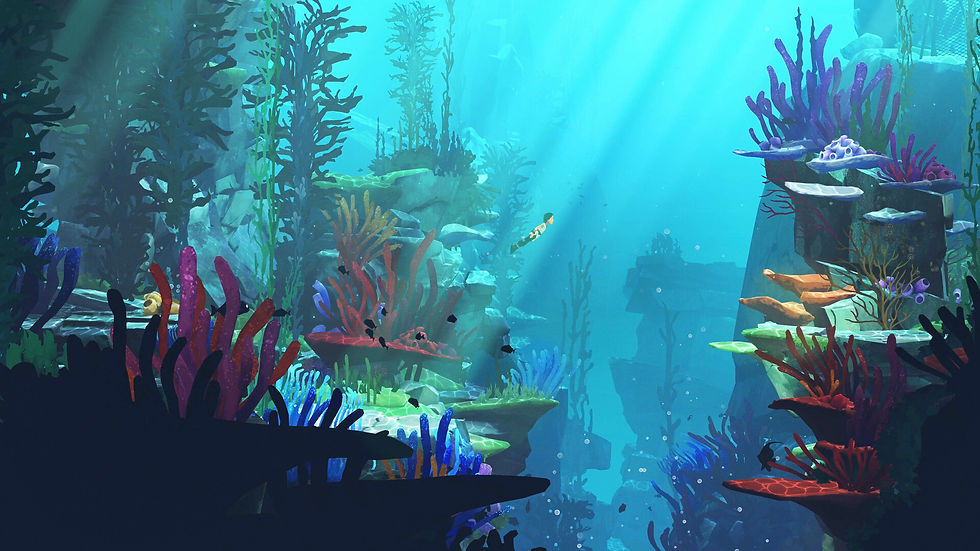
Lana herself is also a few years older. That means she’s more capable. She’s faster, able to slide under obstacles, and can dive underwater. She’s also a great swimmer, which is crucial as there are significant underwater sequences. Despite being someone who usually hates water levels, they never overstayed their welcome here. Lana isn’t fully grown up, but she’s definitely willing to kick some butt this time around. There still isn’t any traditional combat in the game—you mostly run from conflict and sneak around enemies—but if the series continues, I wouldn’t be surprised if we see her taking the fight directly to the enemy.
Mui is Lana’s ever-present companion, and their bond is the emotional core of the game. I don’t want to give away any major spoilers, but I did get heavily invested in that little creature. In one sequence, when it seems as though Mui is in mortal peril, I actively yelled at my monitor, “Don't you do this to me!” But in normal gameplay, it’s entirely possible to accidentally send Mui to their death, which is a constant consideration when trying to sneak past one-shot kill robots.
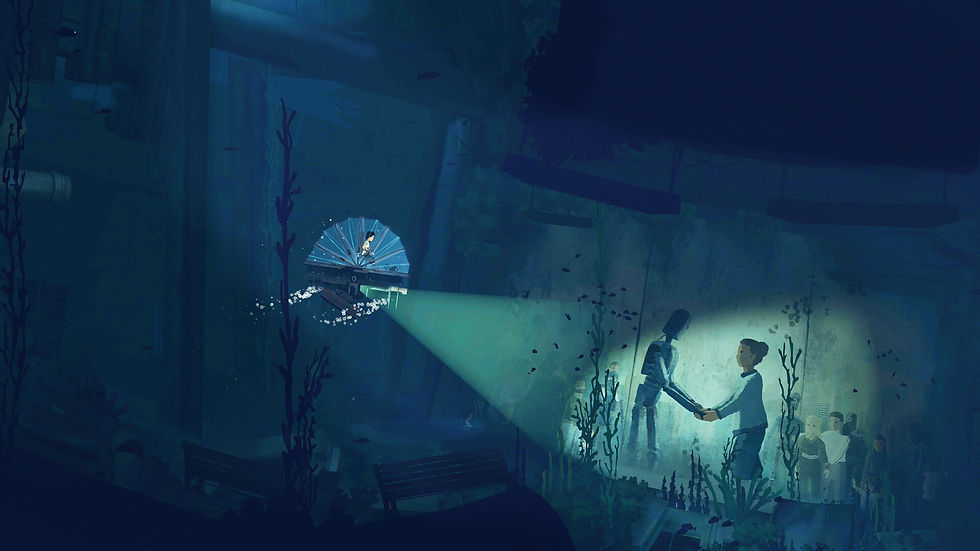
I did find I was able to cheese certain sections of the game when it came to Mui's pathing. In the previous game, I don’t remember being able to pass a section unless I carefully guided both Lana and Mui to safety. In Planet of Lana II, I sometimes just ran away and then called Mui, hoping for the best. More often than not, Mui magically found their own way back to me—despite there not being an obvious or safe path past the danger.
Narratively, one of my biggest gripes is that the main conflict of the game doesn’t stem from the big catastrophic event like it does in the first–at least not directly. Lana’s younger sister gets sick largely because of Lana’s negligence. Lana is reckless throughout the entire first part of the game, facing dangers with her sister and Mui purely out of curiosity—not out of survival or heroism. This leads to an accident that sets up Lana’s quest to find three items from three different regions, and together they will cure her younger sister. The overarching conflict affecting the world doesn’t truly drive the story until at least three-quarters of the way through the runtime, after all of the Macguffin chasing stuff is over.
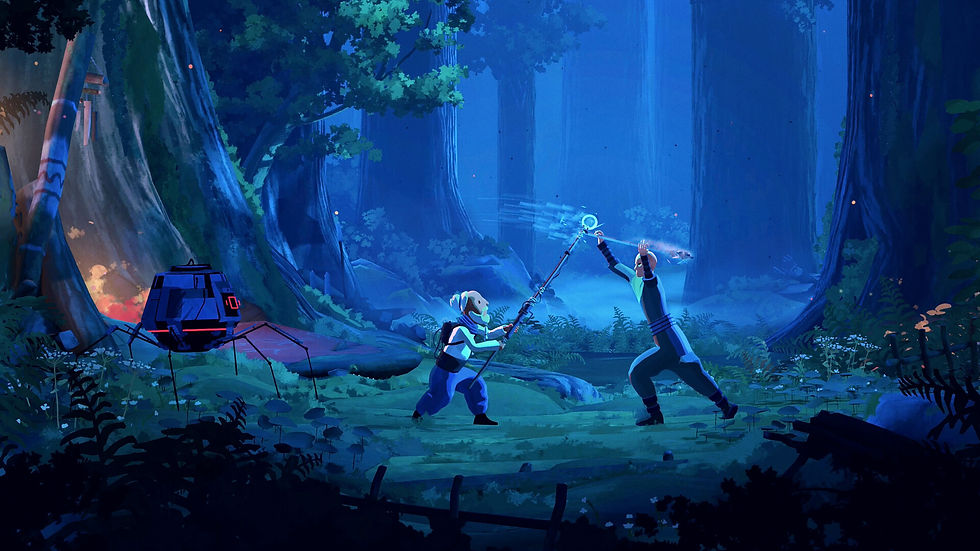
I realized during my playthrough why the story feels almost like a massive retcon, even though it’s technically just filling in details. The original game’s ambiguity invited me to fill in the narrative gaps myself. Because I had unknowingly built up my own headcanon, seeing the sequel explicitly define this world was jarring. It’s akin to watching a movie adaptation of your favorite book and feeling like the director completely miscast the lead roles—it just feels off. While I don't think anything here directly contradicts the first game, the sequel unpacks its lore with a bit of a manic, fan-fiction energy. The writers clearly had a flood of great ideas they wanted to cram in, and while it isn't done poorly, the sudden shift from quiet mystery to explicit exposition comes off as unwieldy.
It doesn’t help that you—by design—can’t understand what’s being said between characters. Speech is conveyed through a made-up, untranslated alien language. A message in the game’s opening explicitly states this is done so you can “interpret the story as you want.” It’s a strange choice, considering most of the dialogue's intent is visually explicit. It feels like a flimsy way of saying "we just wanted to use a made-up language." Thankfully, composer Takeshi Furukawa’s sweeping orchestral score successfully steps in to do the heavy emotional lifting where the dialogue cannot.
Planet of Lana II: Children of the Leaf has definitely gone for a more epic feel. With roughly twice the gameplay length—around 8 hours versus the previous game’s 4—there is a lot more room for ambition. The door has been left wide open for another sequel, which I genuinely hope we get. It seems like developer Wishfully is intent on building a franchise here, and since their mechanical quality is trending upwards, I’d love to see what’s next for Lana and Mui.


Comments