
31 Days of Horror : Penumbra: Overture

Horror isn’t just a genre; it’s an amalgamation of pop culture, cozy traditions, and things that go bump in the night. This year, we're taking our 31 Days of Horror across the entire cultural spectrum. We’ll be taking a look at movies that scare us, games that kept us paranoid, scary books we cozy up with under blankets, music that sets that spooky tone and seasonal food we’re craving–or strange food you’d have to tie us up and force feed us. Whether you’re looking for something truly terrifying or a cozy autumn haunt, come back every day this month for a new bite-sized review or spooky adjacent list.

I originally got Penumbra: Overture in a Humble Bundle or some other bundle of DRM-free games. It wasn’t on my Steam account, just an .exe. Somehow, this made the game feel forbidden. Or haunted, like those creepypasta games that are possessed. It helped that a lot of Penumbra: Overture was somewhat novel – it includes a lot of tactile, physics-based style gameplay.
Instead of pressing a button to open a drawer, you have to “grasp” the handle with your cursor, and pull the drawer back. This isn’t the first game I played like this, but it was the first game to have this gameplay and be incredibly compelling, cementing this environmental interaction as something special.
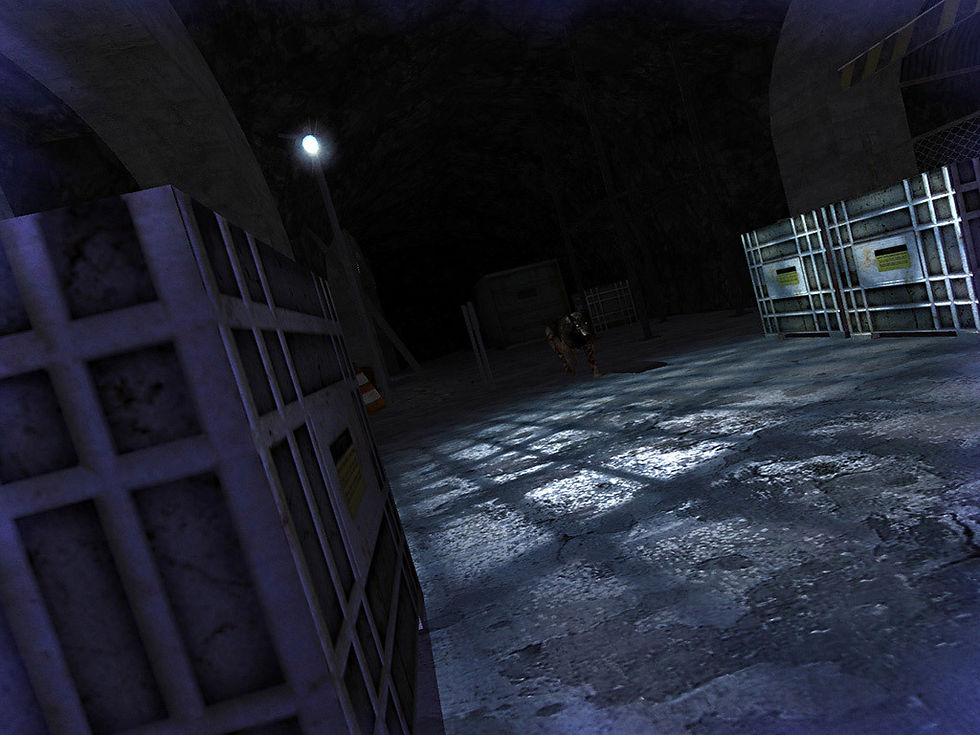
Penumbra: Overture is old enough now to have that retro, low-res feel, and even though I played it when it was new, it still somehow felt forbidden. Like I stumbled across a haunted, old game that I shouldn’t perceive.
The premise is this: you play as Phillip, who receives a letter from his estranged father who was presumed dead for years. Curiosity gets the best of Phillip, and he tracks the clues left by his father to an uncharted freezing wasteland off the coast of Greenland. After trekking through the snow and beginning to freeze to death, he’s forced to find shelter in an abandoned mine. Trapped inside, Phillip goes from looking for answers to trying to survive his new ordeal.

What makes this setup so uniquely suffocating is how Penumbra:Overture traps the player in a double-layered prison. Philip isn't simply stuck in a terrifying basement; he is buried beneath a collapsed mine, which is itself swallowed by an uninhabited, sub-zero arctic wasteland. Even if he could miraculously force the heavy metal hatch open, he would only freeze to death on the surface.
The game then cruelly perverts the one lifeline it offers: a fractured voice on a shortwave radio calling himself "Red." In most games, a voice on the comms provides comfort and a tether to humanity. Red does the exact opposite. Erratic, unhinged, and deeply unreliable, his broadcasts serve less as companionship and more as a crackling, real-time demonstration of what prolonged isolation in this facility does to the human mind. You are not just physically trapped; you are psychologically stranded.

While being dumped into an underground facility where something bad happened is a well-worn trope in video games, what sets Penumbra: Overture apart is its execution and an atmosphere that absolutely fosters dread. I’ve always been a fan of the “something terrible happened before you got here” style of horror, and Overture does it really well.
The mystery, and the horrors, are slowly revealed as you make your way through the complex. The game manages to convey crushing isolation as Phillip works out a solution to the in-over-his-head problem he gets himself into.
By that measure, you could argue that Penumbra: Overture laid a lot of the mechanical and atmospheric groundwork for Amnesia: The Dark Descent.
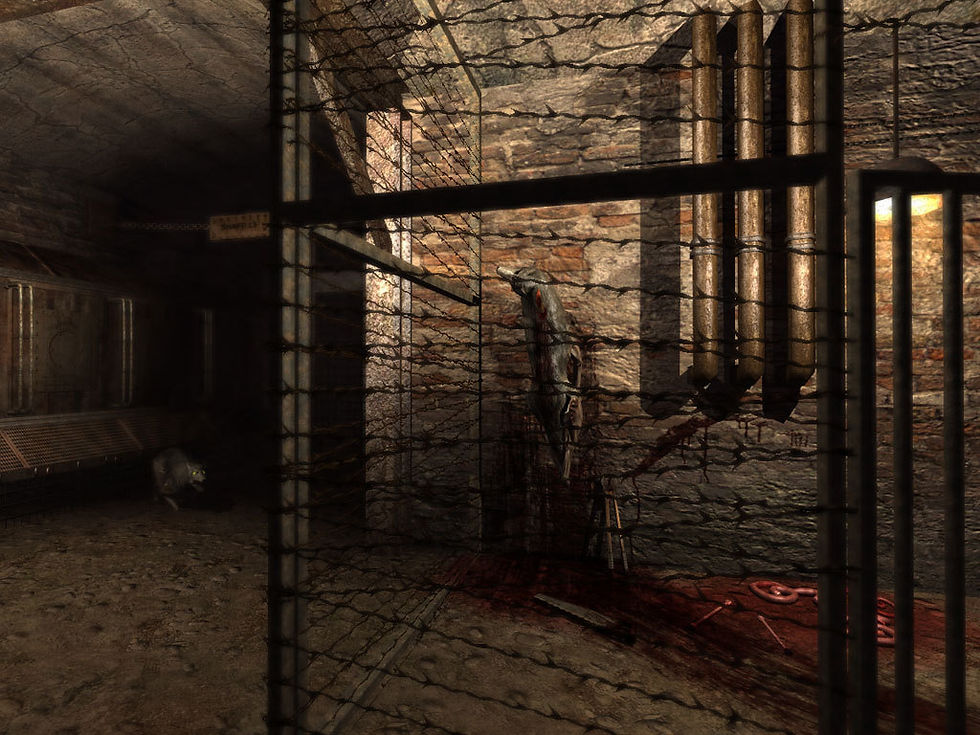
Those physical interactions were possible due to Frictional Games’ proprietary HPL engine—which is named after H.P. Lovecraft. This engine was designed from the ground up to support advanced physics interactions. This physical connection to the game world is not just immersive, it puts you into direct contact with the environment. It makes every action feel deliberate, weighty—and therefore more real.
It also destroyed traditional survival horror tropes by making the puzzles and solutions more grounded in reality. For instance, early in the game, there is a path hidden behind a bookcase. In Resident Evil, you would have to find the right object or key to get the bookcase to move. In Overture, you physically just pull the bookcase out of the way. Simple, but elegant and mechanically satisfying.

It signals right away that Penumbra: Overture isn’t just a traditional survival horror. While there are lock-and-key moments, the tactile gameplay gives an extra edge in horror. Ever see a movie where the protagonist fumbles with their keys while a monster approaches? Penumbra: Overture introduced this exact panic into the game by making objects have to be manually manipulated.
Penumbra: Overture does have combat, but it's clumsy. It’s this clumsiness that ironically pushed Penumbra and other Frictional games toward non-violence. While games of the era like Resident Evil 4 (released just two years prior) emphasized action, Overture was the opposite. The clunky combat made running, hiding, and using the environment (like physically blocking doors) a viable and sometimes preferred option. You weren’t an action hero here: you were barely surviving this survival horror.
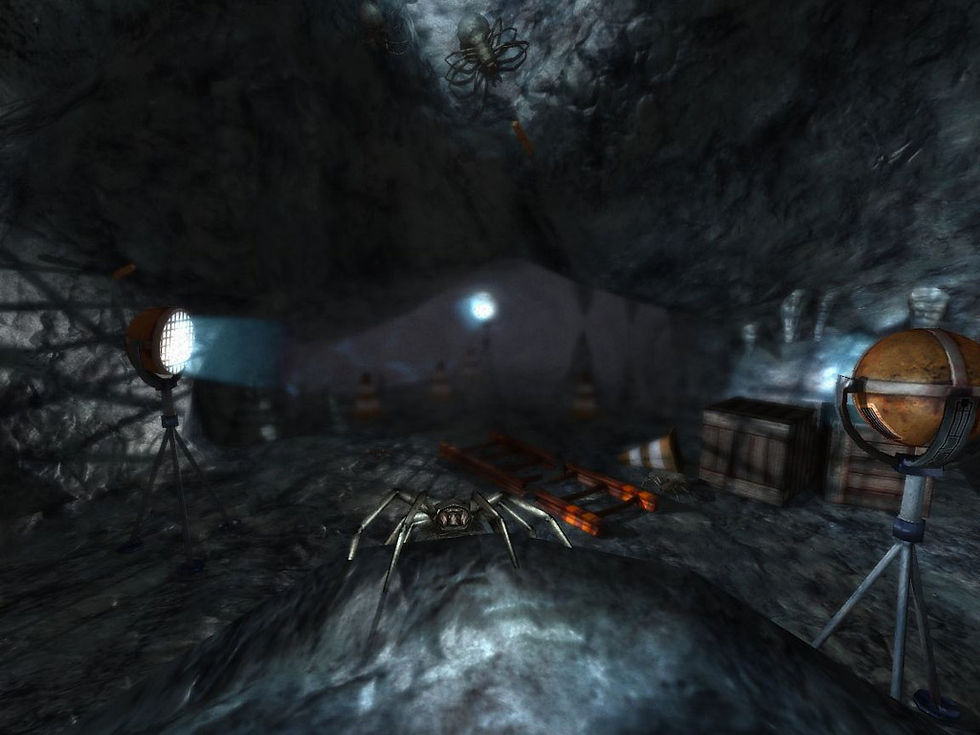
While Penumbra: Overture is technically an “Episode 1,” it didn’t really get its full planned three-part trilogy. The story wrapped up in Penumbra: Black Plague, and Penumbra: Requiem was a puzzle-focused expansion, not really a full third game. Though some prefer the sequel—and it is a bit more refined, with the combat removed—I still have a soft spot for Overture. It’s a game that genuinely scared me, and stuck with me for all of these years. It laid the groundwork for Frictional Games’ outstanding catalog, including the Amnesia games and my personal favorite of theirs: Soma.


Comments